


Running A Business with Chronic Illnesses
Chronic pain is defined as pain that despite treatment or medication, lasts longer than 12 weeks. Worldwide 10% of the population suffer from chronic pain or illness 43% of the population in the UK and 40% in the USA.
Living with chronic pain or illness creates a profound shift in the way life is perceived and experienced. Its an ongoing journey where each day emerges as a balance between moments of ease and an uncomfortable blur, between resilience and vulnerability. The constancy of pain or unrelenting symptoms becomes an ever-present companion, making ordinary tasks in life become extraordinary of venture of bravery. Living with chronic pain not only influences physical sensations, but also emotions, thoughts, and aspirations. Against this backdrop, individuals must navigate a path that demands patience, adaptation, and a deep connection to their inner reservoirs of strength.
Now it’s time to hear from our GTeX members on running a business with chronic illness.
Feel free to join the conversation and add your thoughts or experiences in the comments.
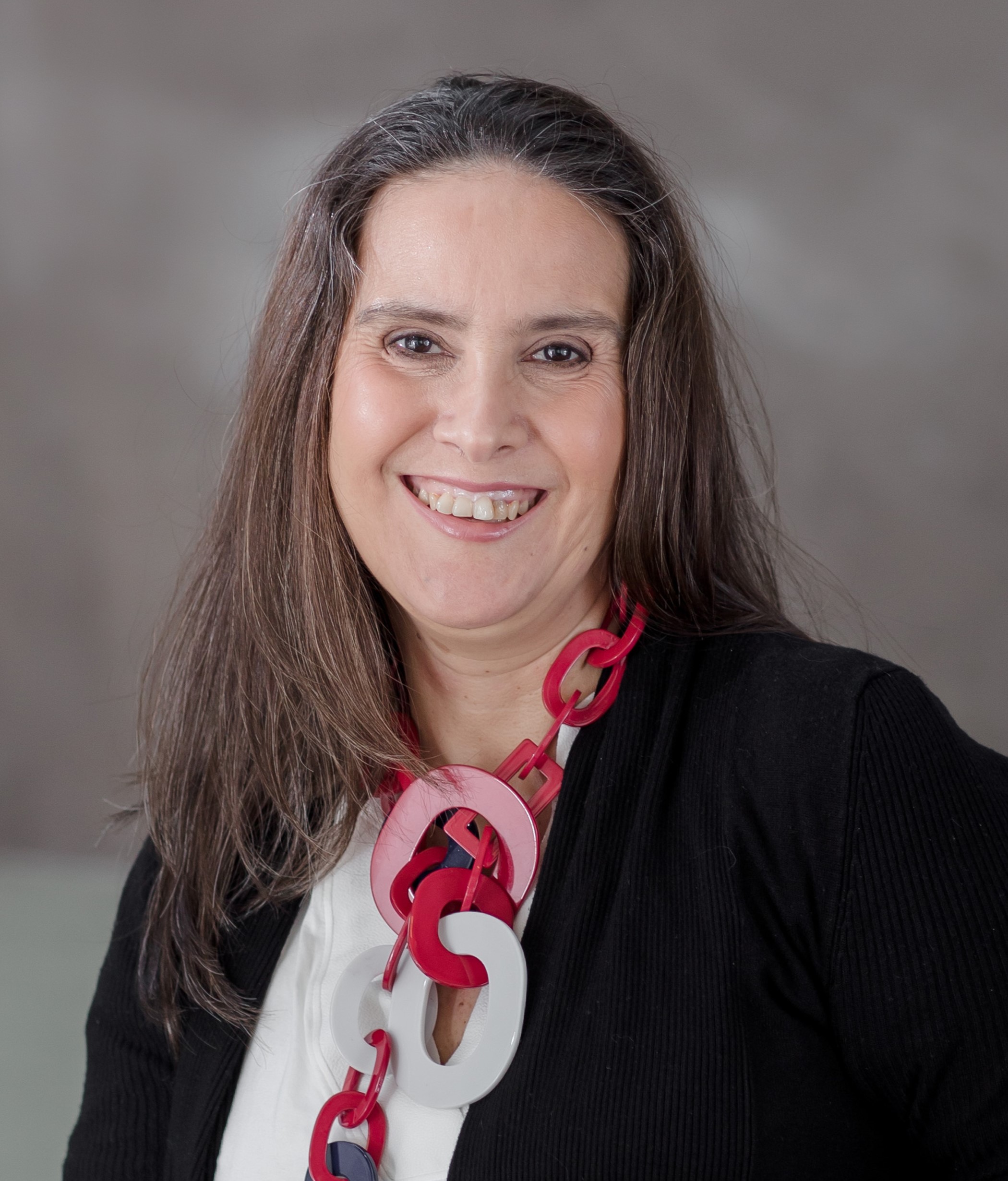
Claudia Romero
Website: https://www.linkedin.com/in/claudiaromerocoaching/
How do you think having Chronic pain or illness impacts the way you run your business?
I do my best not to let it affect me too much, but because the drugs I have to take for cancer treatment affect my joints, there are days when I have more pain (especially when it’s cold) and it’s hard for me to even write or use the laptop. On those days with more pain I try to do things that are easier on my joints or that don’t require a lot of work because I feel more tired than usual and I can’t do much because my body tells me that I need to rest, sleep and take it easy. But to be completely honest, a couple of times in the past I even thought to not even keep going with my business, thinking it would be easier to just rest and do less, but I love what I do and I really don’t to give up.
In what ways do you believe chronic pain or illness might have caused you to miss out on opportunities?
Mainly because I had to take time off and a lot of doctor appointments, so I feel like I had more setbacks than I expected. Also, when I feel my energy is very low or very tired, I have to slow down, and sometimes I haven’t taken opportunities because I’m not sure I can be at my full potential or do my best.
How do you handle the disclosure of your condition to clients or peers while managing your responsibilities?
I am totally open with that because it is time that people understand that some diseases and chronic pains can affect life and it is not because you do not want to do your best, but in many cases it is not possible, physically, mentally or emotionally. Living in pain is not joyful or easy, so if your clients can understand your position in a way they could maybe be more compassionate and understanding if you have to reschedule or delay.

Sammuel Yisrael
Website: https://www.linkedin.com/in/sammuelyisrael/
How do you think having Chronic pain or illness impacts the way you run your business?
Running a business while living with chronic pain certainly has made us rethink what we do. There is a cycle of pain that can make it hard to focus while also reducing your energy levels, making completing tasks more difficult and requiring more frequent breaks. The pain also has a knock-on effect on mental health where you find yourself becoming frequently irritable and frustrated. This frustration can often lead to a feeling of depression and low self-esteem. This of course impacts your self-confidence and the ability to bounce back.
We were able to get a work place assessment via an application to the Department of Work and Pensions, which gave access to an occupational health professional who have recommendations for office equipment that helped manage the pain in a better way while also introducing changes to the work schedule to reduce fatigue.
In what ways do you believe chronic pain or illness might have caused you to miss out on opportunities?
Living with Chronic pain interferes with everyday activities creating a heightened sense anxiety and a reluctance to do certain activities due to a fear of triggering the pain or making it worse. This can have the effect of feeling overwhelmed and not being able to quickly adapt to change and thus miss out on opportunities.
This has been improved through careful time management to focus only on the things that take the business forward.
How do you handle the disclosure of your condition to clients or peers while managing your responsibilities?
Sol Haven as a project is run and staffed with individuals who have all had personal experience of mental health issues with a deep understanding of abuse and addiction which gives a connection and empathy to course participants.
Instructors relating to their own healing journeys and showing compassion and sensitivity gives inspiration to individuals attending the project to redesign their own personal environments and lives to create a better place of being, creating increased social energy with people working together towards a common goal and ultimately enhancing the liveability of the local community.

Sue Ritchie
Website: www.sue-ritchie.com
Linkedin: www.linkedin.com/in/sue-ritchie
How do you think having Chronic pain or illness impacts the way you run your business?
I had to be stricter with the timelines for the completion of jobs for clients. Instead of agreeing to clients required deadlines, which would often see me working late into the night to finish and deliver on time, I had to set very realistic deadlines that took account of my health and well-being. Practicing self-care and putting myself first became very important.
In what ways do you believe chronic pain or illness might have caused you to miss out on opportunities?
The biggest element for me was not having the energy to do as many things I would have liked to get involved with. So I turned things down or I just didn’t put myself out there as much as I might have wanted to. The priority was to look after myself and get myself well again, which I succeeded in doing.
How do you handle the disclosure of your condition to clients or peers while managing your responsibilities?

Elizabeth Bachman
Website: www.elizabethbachman.com
Linkedin: https://www.linkedin.com/in/elizabethbachman/
How do you think having Chronic pain or illness impacts the way you run your business?
Fibromyalgia means that I have chronic hand pain, mostly affecting my ability to type. I cannot use a tablet, and my ability to type on a phone is restricted. I manage by wearing topical anesthetic patches, paying strict attention to my ergonomics and taking breaks. This means that my computer time is limited.
I’m grateful that I CAN work from home now, so that if I have to take a break to use ice packs, I can do so. That was much harder in the early 2000s.
In what ways do you believe chronic pain or illness might have caused you to miss out on opportunities?
I have been coping with this since 2001. It means that I could not manage a “regular” job, because I couldn’t commit to hitting a deadline that involved typing. Early in the process, I had a job that required using the company computers so I could be on their network. The stiff keyboards were impossible, and I had to ask for disability help. Because hand pain is invisible, nobody believed that I was suffering.
Nowadays I couldn’t even work at a Starbucks because ringing up an order involves tapping a screen. When I order a coffee, I watch the cashiers and cringe. I’m grateful that I have found a way to make a living where I can control my time and my ergonomics.
How do you handle the disclosure of your condition to clients or peers while managing your responsibilities?
Gratitude again.
Hand pain is so common these days that most people understand. The gift of my disability is that it has taught me to pay attention to challenges that others might be facing. Yes, my movements are restricted, but I can still see, walk, hear, talk or go to a concert in an old church with stairs and narrow doorways.
I’m grateful that the internet makes it possible for me to run my business from anywhere I want. I remember the days of trying to do so through faxes and phone cards.
My disability qualifies me to speak in the DEI space. AND I am very aware that I am perceived by the world as a white woman, with all the privileges that come with that status. My BIPOC friends face daily biases that don’t come my way.
My chronic pain has raised my awareness of the challenges that others face.
I’m grateful.

Caroline Kemp
How do you think having Chronic pain or illness impacts the way you run your business?
Living with chronic pain is why I decided to set up my own business. It’s about freedom. The freedom to work according to my pain and energy levels. Working full time for a company as an employee requires a level of understanding from your employer which will always be limited because autoimmune with chronic pain is silent.
In what ways do you believe chronic pain or illness might have caused you to miss out on opportunities?
Without a doubt I have missed out on many opportunities. I suffer from fibromyalgia, is just a name for a collection of symptoms. When being tied to company time, makes it impossible to cope with fatigue, extreme tiredness, cognitive impairment and all the other career blockers that come with this type of autoimmune illness.
How do you handle the disclosure of your condition to clients or peers while managing your responsibilities?
I’m upfront!! I tell people off the bat. I used to feel embarrassed and wanted to prove I could still do all that I used to be able to do. That denial to others, means that in effect I was denying it to myself. It’s invisible. If I feel someone needs to know, I make it loud and clear.
Final Thoughts
Through the rollercoaster of medical appointments, treatments, and personal adjustments, individuals cultivate a profound understanding of their own limits and capabilities. While the journey is undeniably challenging, it also creates a remarkable tapestry of courage, compassion, and an unwavering appreciation for life simplest joys.
Those who navigate this path continue to find ways to thrive amidst adversity, Self-care, listen to your body treat yourself with patience and compassion. Create your own pace.
Create a space of flexibility, although running your own business is challenging it gives you control of your time.
Be open and honest, although this can be hard, clients and peers will understand and work with you accordingly, you are still uniquely you and that’s always going to be the strength of your business.





0 Comments